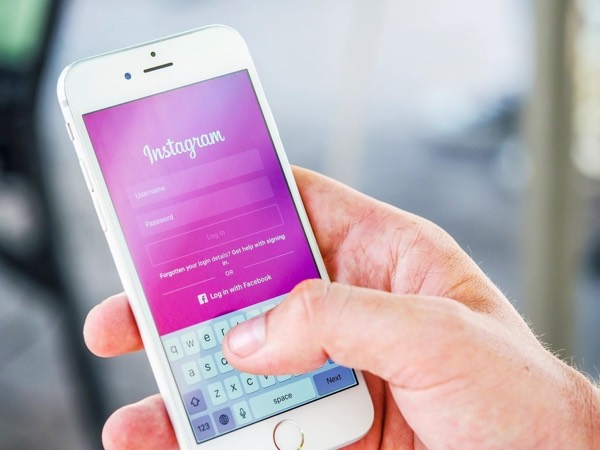
Retargeting and remarketing explained: win back the visitors who didn't buy
Most people who visit your website leave without buying or enquiring. Retargeting brings them back with the right message at the right time — and it's often the most profitable ad spend a business has.
 Online ads
Photo: Bruce Mars via StockSnap (public domain, CC0)
On this page
- Most visitors don't act on their first visit. Retargeting shows follow-up ads to people who already showed interest.
- "Retargeting" usually means ads; "remarketing" often includes email and WhatsApp follow-ups too — the goal is the same.
- The best results come from segmenting audiences by what people did (viewed a product, started checkout, watched a video) and tailoring the message.
- Control frequency so you remind rather than annoy, and exclude people who already converted.
- Retargeting depends on tracking — Pixel, Google tag, customer lists — and must respect privacy and consent rules.
Imagine a shop where most people walk in, look around and leave. You'd want a way to remind them about the product they liked, answer the question that stopped them, or offer a small nudge to come back.
That's exactly what retargeting does online. Most website visitors leave without buying, booking or enquiring — not because they're uninterested, but because they're busy, comparing options, or not quite ready. Retargeting keeps you in front of these warm prospects until they are.
Retargeting vs remarketing: what's the difference?
The terms are often used interchangeably. Loosely:
- Retargeting usually refers to showing ads to people who have interacted with your website, app or social content.
- Remarketing traditionally referred to re-engaging past visitors or customers through email — and Google uses "remarketing" for its own ad retargeting features.
In practice, think of both as one strategy: re-engaging people who already know you, through ads, email, WhatsApp or SMS.
How retargeting works
- 1
A visitor interacts with you
They visit your website, view a product, watch a video, engage with your Instagram, or open a lead form.
- 2
Tracking records the interaction
The Meta Pixel, Google tag, or platform integrations add them (anonymously) to an audience list — with appropriate consent where required.
- 3
You create audiences
For example "viewed pricing page in last 14 days" or "added to cart but didn't buy".
- 4
You show tailored ads
Those people see ads on Facebook, Instagram, YouTube, Google Display, Gmail or Search, with messages matched to what they did.
- 5
They return and convert
Reminded, reassured or incentivised, a share of them come back and complete the action.
Where you can retarget
| Channel | How it works | Best for |
|---|---|---|
| Meta (Facebook & Instagram) | Website, video, engagement and customer-list audiences | Visual reminders, social proof, offers |
| Google Display & YouTube | Banner and video ads to past visitors across websites and YouTube | Broad reach, video storytelling |
| Google Search (RLSA) | Adjust bids or ads when past visitors search again | Capturing high-intent return searches |
| Performance Max / Demand Gen | Automated campaigns using your audience signals | E-commerce and lead generation at scale |
| Email & WhatsApp | Follow-ups to people who shared contact details | Abandoned carts, quotes, nurturing |
| Website and engagement retargeting | B2B services |
The audiences that matter most
Don't treat all visitors the same. Someone who read one blog post is very different from someone who reached the checkout. Segment by intent:
| Audience | Intent level | Suggested message |
|---|---|---|
| Cart or checkout abandoners (last 7 days) | Very high | Reminder of the product, reviews, free shipping, limited-time offer |
| Viewed pricing, contact or booking page | High | Address objections, show guarantees, invite them to book a call |
| Viewed specific products or services | Medium–high | Show those exact products (dynamic ads) or service benefits |
| Watched 50%+ of a video | Medium | Next step in the story — testimonials, case studies, offer |
| Read blog content | Low–medium | Related guides, lead magnets, brand introduction |
| Past customers | Varies | Repeat purchases, upsells, referrals, reviews |
Crafting retargeting messages that work
Retargeting isn't about showing the same ad again. It's about answering why they didn't act the first time. Common reasons and responses:
- "I'm not sure it's worth the price." → Show value, results, comparisons, payment options.
- "I don't know if I can trust them." → Reviews, testimonials, case studies, guarantees, media mentions.
- "I'll do it later." → Deadlines, limited slots, seasonal reminders.
- "I had a question." → FAQ-style ads, a WhatsApp button, an invitation to talk.
- "I got distracted." → A simple reminder of the product they viewed.
Dynamic product ads
For online stores, dynamic ads automatically show each visitor the exact products they viewed or added to cart, pulled from your product catalogue. They're one of the highest-performing ad formats in e-commerce.
Sequenced storytelling
For services, you can sequence messages over time: first a testimonial, then a behind-the-scenes process video, then an offer. Each ad builds on the last.
Frequency, duration and budget
- Match the audience window to your buying cycle (e.g. 7 days for impulse products, 30–90 days for high-value services)
- Cap frequency so people aren't overwhelmed — rotate creatives regularly
- Exclude recent converters and existing customers where appropriate
- Allocate a share of your ad budget to retargeting — often a smaller portion than prospecting, but with higher returns
- Refresh creatives every few weeks to avoid fatigue
- Measure incremental results, not just last-click conversions
Privacy and consent
Retargeting relies on tracking, so handle it responsibly:
- Explain your use of cookies and tracking in a clear privacy policy.
- Use consent banners where required by law or platform policy, especially for visitors from regions with strict privacy rules.
- In India, the Digital Personal Data Protection Act introduces obligations around personal data and consent — take advice on how it applies to your business.
- Upload customer lists only when you have permission to use their data for marketing.
- Avoid ads that make people feel watched ("Still thinking about that ₹4,999 dress, Priya?").
Browser privacy changes also limit some tracking, which is why server-side tools like Meta's Conversions API and Google's enhanced conversions have become important.
Measuring retargeting properly
Retargeting often looks extremely profitable in reports because it reaches people who were already likely to buy. To understand its true value:
- Track conversions by audience segment
- Compare periods with and without retargeting, or use platform lift tests where available
- Watch frequency and cost per result over time
- Look at overall business results, not just in-platform ROAS
Learn more about choosing the right metrics in our guide to marketing KPIs that matter.
The bottom line
Most of your visitors won't act the first time — and that's normal. Retargeting gives you a second, third and fourth chance to earn their business, with messages tailored to what they did and what's holding them back. Set up tracking properly, segment by intent, keep messages helpful rather than pushy, and make sure new visitors keep flowing in at the top.
Frequently asked questions
Is retargeting expensive?
Retargeting audiences are smaller, so total spend is usually modest compared to prospecting. Because these people already know you, retargeting often produces a lower cost per conversion.
How long should I retarget someone?
It depends on your buying cycle. Impulse purchases may need only a few days; considered purchases like education, property or B2B services may justify retargeting for 30–90 days or more.
Can I retarget people who visited my Instagram but not my website?
Yes. Meta lets you build audiences from Instagram and Facebook engagement, video views, lead form opens and more — no website visit required.
Will retargeting annoy my potential customers?
It can if frequency is too high or messages are repetitive. Cap frequency, rotate creatives, exclude converters, and keep messages genuinely useful.
Do I need a large website audience to retarget?
Platforms have minimum audience sizes for some ad types, and small audiences deliver slowly. As traffic grows, retargeting becomes more effective. You can also retarget social engagers and video viewers to build audiences faster.